ph
The pH of a solution is the negative logarithm of the hydrogen ion (H+) concentration (in moles per litre = molarity).
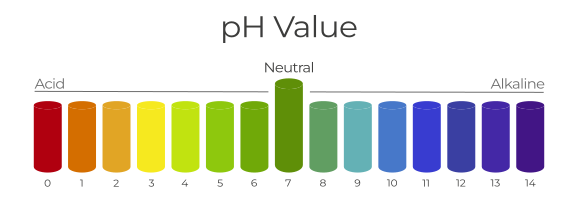
pH indicates whether a solution is acidic, basic or neutral. The corresponding ranges are:
- Acidic – the pH is between zero and 7.0
- Neutral – the pH is 7.0
- Basic (also called alkaline) – the pH is between 7.0 and 14.
For strong acids or bases, these values may actually be higher than 14 or lower than 0, but the 0-14 range is most commonly encountered.
-
The ph scale is logarithmic
The pH scale is logarithmic. That means each change of one in pH value is 10 times more acidic. Therefore, a substance with a pH of 2 is 1000 times more acidic than one with a pH of 5!
Diluting strong acids by a factor of 10 increases the pH value only by 1!!!
The pH values of some common substances are given in the table below.Substance Typical pH Stomach acid (gastric juices) 1.4 Lemon juice 2.4 Vinegar 3.0 Tomatoes 4.2 Water exposed to air 5.5 Pure water 7.0 Blood or tears 7.4 Baking soda 8.4 Household ammonia 11.5 Household bleach 12.5